Empowering Lives: The Essential Guide to Cancer Awareness and Support
The journey through cancer is often filled with uncertainty, fear, and an overwhelming volume of information that can seem like an insurmountable mountain. As someone who has navigated this path either as a patient, a caregiver, or a supporter, you know how crucial it is to have accessible resources. In this oncology blog, we embark on a journey to illuminate the essential avenues of cancer awareness and support that can empower you or your loved ones facing this formidable challenge. With appropriate healthcare information at your fingertips, the cloud looming over the cancer experience can begin to lift, unveiling paths that lead to better understanding, coping mechanisms, and healing.
Have you ever wondered what it truly means to receive timely cancer education? Understanding the nuances of cancer treatment is your first ally in this battle. By engaging in oncology research, you can discover the latest therapeutic methods and integrative medicine approaches that may complement your treatment regimen. Knowledge is power, and each shred of information helps weave a stronger armor against the challenges posed by this chronic illness. When the unpredictability of cancer threatens your peace of mind, leaning into knowledge can anchor you in clarity and confidence. What questions do you have that remain unanswered?
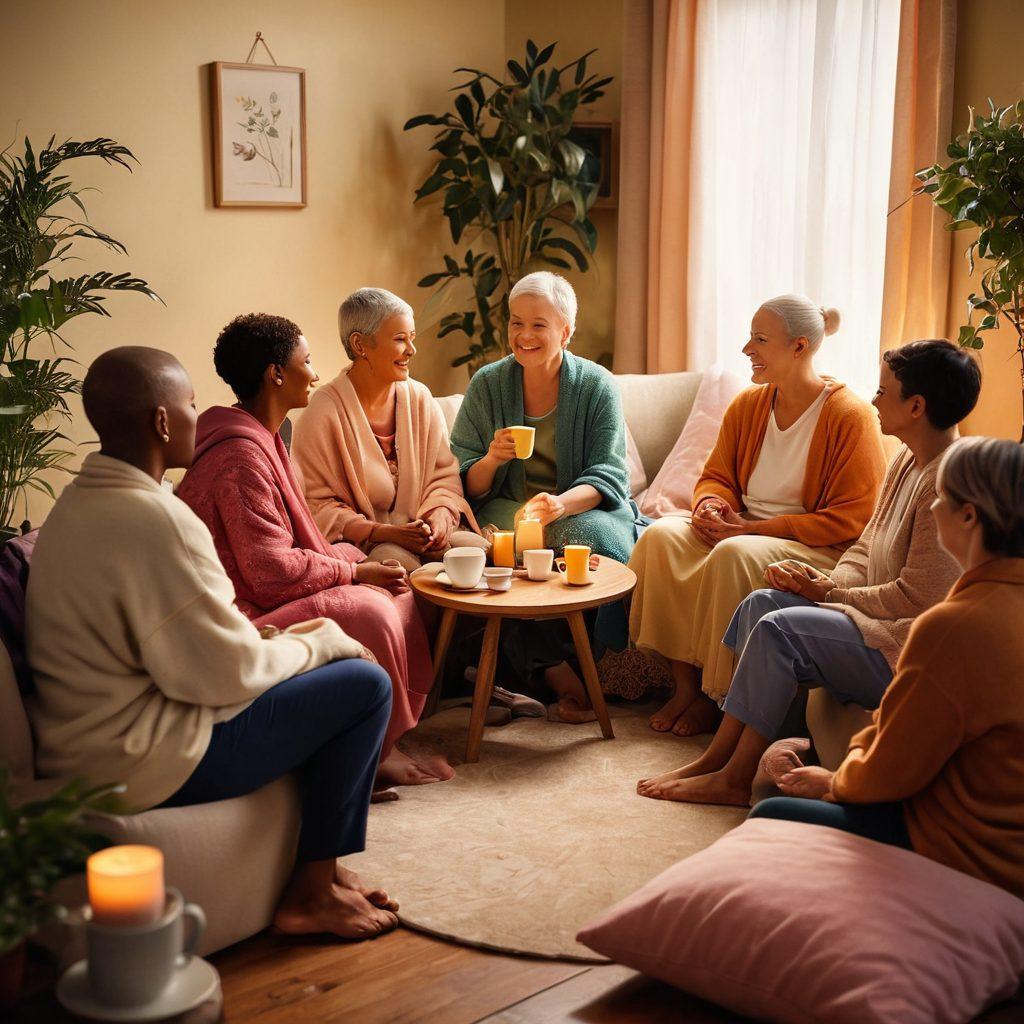
As we traverse this landscape together, let's not forget the colossal impact of emotional support. Studies suggest that patients who have a robust support system tend to experience better health outcomes. So ask yourself, are you surrounded by a community that promotes healing? Connecting with others who are on similar journeys can be extraordinarily reassuring. It can also be inspiring to hear success stories from cancer survivors or to participate in patient advocacy groups that elevate the voices of those in need of comfort and reassurance. Remember, sharing your journey not only helps you heal but can inspire and empower others as well.
We must also talk about preventive health and wellness tips that can play a fundamental role in navigating the cancer journey. What are some dietary choices that can support cancer recovery, and how can holistic health practices enhance your quality of life during treatment? Incorporating healthful, plant-based foods into your diet can be one beacon of hope among many guiding you on this journey. Activities such as meditation, yoga, or even short walks can help mitigate stress and promote emotional healing, reaffirming the body-mind connection that is essential in combating illness. Have you considered holistic approaches as valuable tools in your health arsenal?
In conclusion, navigating the cancer journey is more than just handling treatment; it involves cultivating an entire ecosystem of support—from community networks to personal well-being strategies. As we continue this conversation on cancer awareness and support, let’s commit to not only educating ourselves but also sharing resources. Whether it's connecting with a healthcare professional or delving deeper into blogs like this one, taking these steps can lead to meaningful changes in your life or the life of someone you love. How will you choose to empower yourself today?
Building a Supportive Community: Essential Tips for Cancer Patients and Survivors
In a world where cancer affects millions, the strength found within a supportive community can make all the difference. Building a supportive community is not just an option; it is a necessity for cancer patients and survivors as they navigate their journey through cancer treatment and survivorship. Have you ever wondered how the power of connection can help alleviate the pain and uncertainty that comes with a cancer diagnosis? In this oncology blog, we will explore essential tips for fostering that very sense of community which can be a lighthouse in the storm.
First and foremost, emotional support is key. Sometimes, all a patient needs is someone who understands what they are going through. This may not be easy, but it's important to encourage open conversations about feelings and fears. Reach out to others who share similar experiences, whether they are fellow cancer patients, survivors, or support groups. As one cancer survivor put it, 'While chemotherapy was tough, the real battle was finding people who understood my struggle.' By sharing stories and insights, a bond can be formed that helps in tackling the emotional weight of cancer treatment.
In addition to emotional support, education plays an incredible role in empowering cancer patients and their families. A well-informed patient is a powerful advocate for their own health. Utilizing cancer resources, such as health blogs focused on wellness tips, oncology research, and preventive health, can arm individuals with the knowledge they need. Questions often arise: What is the latest in cancer treatment? How can diet and cancer be intertwined for optimal recovery? The answers lie within the rich world of cancer education—don’t hesitate to dive in and learn more.
Community support can extend beyond emotional and educational assistance. It’s also vital to consider holistic health and therapeutic methods. Integrative medicine, which combines conventional treatments with alternative therapies, can offer additional resources to those on their cancer journey. Why not explore yoga, meditation, or nutritional counseling as part of a comprehensive cancer care plan? This is not merely about battling cancer but enhancing the overall quality of life during treatment. Remember, every little action counts toward healing.
Lastly, let’s not forget the significant role of patient advocacy. Advocating for oneself and others creates a ripple effect that benefits the entire cancer community. Encourage patients to participate in local rallies and forums, and share their experiences on platforms specialized in chronic illness. Together, by forging connections and reinforcing cancer awareness, we can transform daunting experiences into a collective journey of strength and healing. It all boils down to one question: How can you contribute to building a supportive community for those facing cancer? The answer lies in taking the first step, reaching out, and nurturing connections that empower.
Empowering Patients: The Role of Advocacy and Education in Cancer Care
In the odyssey of cancer care, navigating the labyrinth of information and support can feel overwhelming for many patients. Picture this: someone diagnosed with cancer sits in a sterile doctor's office, surrounded not just by medical jargon but also by an avalanche of emotions. This moment can be both terrifying and isolating. But what if I told you that advocacy and education could be the guiding stars for these patients? From seeking accurate healthcare information to understanding the latest in oncology research, empowerment begins with knowledge. Today, we explore the essential role that patient advocacy and education play in cancer care, bridging the gap between survival and thriving in the face of chronic illness.
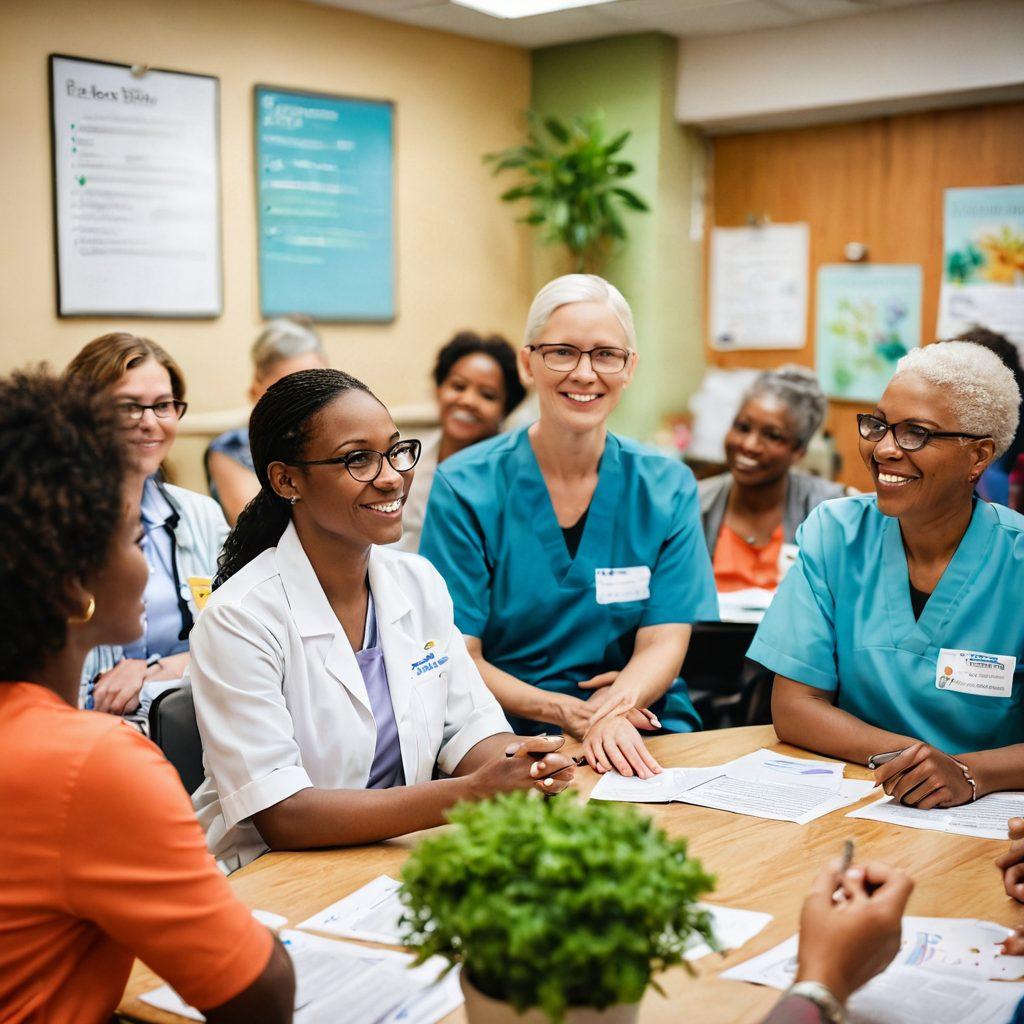
Cancer awareness isn’t just a buzzword; it’s a vital conversation that needs to resonate through communities. Imagine standing in a room full of people, all engaged in a lively discussion about cancer treatment breakthroughs and preventive health strategies. Doesn’t it feel uplifting to share knowledge? When patients, caregivers, and communities unite to raise awareness, they foster a culture of openness. This not only alleviates the fears associated with diagnoses but also strengthens the emotional support network vital for coping with the challenges of cancer. By actively participating in advocacy programs, individuals can ensure that crucial resources and holistic health methodologies are shared widely.
Let’s delve deeper into the philosophy that underpins patient advocacy: the belief that everyone's voice deserves to be heard in the cancer journey. Consider the poignant phrase by Ralph Waldo Emerson, 'The only person you are destined to become is the person you decide to be.' In the realm of cancer care, this rings particularly true. Through advocacy, patients can take charge of their healthcare journey, demanding better resources and education. They can engage with healthcare professionals, discuss diet and cancer, and explore therapeutic methods that resonate with their values. This kind of engagement not only empowers patients but fosters a collaborative relationship with their healthcare team, making cancer care a team effort.
Throughout your journey, whether you're battling cancer or supporting someone who is, the importance of community support cannot be understated. An oncology blog could serve as a sanctuary— a place where stories of triumph and tales of trials cultivate solidarity and inspire hope. As you scroll through a health blog, wouldn't you want to feel that sense of connection? Support groups and forums become invaluable resources for emotional support, sharing wellness tips, and navigating the complexities of treatment options. By banding together, individuals can exchange experiences, glean insights into cancer education, and debunk common myths that often surround chronic illness.
As we celebrate survivorship, let’s remember that advocacy doesn’t stop at treatment. It evolves. It continues to focus on post-treatment care, promoting integrative medicine, and supporting those who have been touched by cancer. Each face tells a story, and by sharing these stories, we create a tapestry of resilience, courage, and hope. So, what will you do today? Will you step into the role of an advocate, not just for yourself but for your neighbors, friends, and families? Together, let’s forge a path toward understanding, support, and empowerment that transcends beyond just surviving cancer—let's aim for thriving.